Mold in Air Ducts: Where It Grows and What Removal Involves
Mold in ductwork needs moisture, dust and time, and Houston's humidity supplies the first of those for most of the year.
October 27, 2026 · 4 min read
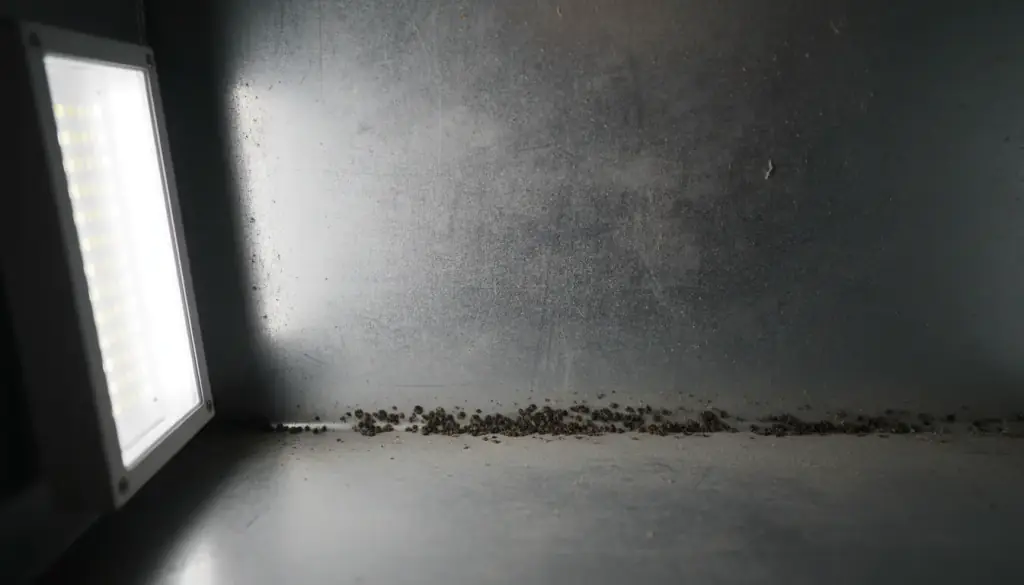
Mold in a duct system is one of those problems people either ignore or panic about. Neither helps. It's worth knowing where it grows in a Houston house, what separates it from ordinary dust, and what a cleaning and mold removal visit does about it.
Why Houston ducts stay damp
Mold needs moisture, something to eat, and time. Dust gives it the food, and your air conditioner supplies the moisture. When the system cools your house, the evaporator coil gets cold enough to pull water out of the air. That water is supposed to run into a drain pan and out through a drain line. In a place as humid as Houston, this happens for much of the year, so the coil, the pan and the air handler cabinet are damp far more often than they're dry.
Ducts add a second source. When cold air inside a duct meets hot, wet attic air outside it, the outer surface can sweat, especially where insulation is thin, torn or missing. A leaking joint can pull that humid air straight into the duct. Dust that lands on a damp surface becomes a place for mold to take hold.
The places mold shows up first
Mold doesn't spread evenly through ductwork. It starts in a few spots, and Houston Air Duct Cleaning's own description of the problem names two of them: the air conditioner coil and the filters. Here are the usual suspects:
- The evaporator coil and the drain pan beneath it, which stay wet during cooling season.
- The filter and the filter rack, where trapped dust meets moving, humid air.
- Low spots in flexible duct, where debris pools and moisture lingers.
- Duct sections close to the air handler, where the coldest air and the most condensation are.
- Insulation around a duct, or the lining inside one, which can hold water like a sponge.
Dust, dirt or mold
You can't reliably tell by looking. Dark specks on a register might be dust and soot, or they might be growth. A few things point toward mold. There's a musty smell when the system first kicks on. There are spots that smear into a stain instead of wiping away like dry dust. There are water marks around the air handler, or a coil with fuzzy or slimy patches. Any of those deserves a closer look.
Mold also gets blamed for symptoms it may not be causing, so testing helps. Houston Air Duct Cleaning lists air quality testing among its services, which gives you a way to learn what's actually in the system before you spend money on the wrong fix. Mold can make allergies and asthma worse, so anyone in the house with either one has good reason not to sit on a musty smell for months.
What a cleaning and mold removal visit does
Duct mold work isn't the same as a routine vent cleaning, because the aim is to take the growth out without scattering it through the house. In general, the sequence goes like this. The air handler is shut off. The system is put under negative pressure with a powerful vacuum, so loose material gets pulled away from the living space. Brushes or air tools loosen what's stuck to the surfaces. The coil, the pan and the affected duct sections are then cleaned and treated. Details vary from system to system, so ask what your visit includes.
Not everything can be cleaned. Porous material, such as fiberglass duct board or an insulated flex duct with a contaminated liner, is often replaced instead, since mold roots into it. That's normal for the trade. A good estimate explains which parts get cleaned and which get replaced, and why.
Houston Air Duct Cleaning lists air duct mold removal as its own service, and says its professional tools and vacuum get ducts clean from the first visit. The estimate is free, so you can ask exactly which parts of your system would be cleaned and which might need replacing.
Fixing the moisture is the real job
Cleaning without finding the water only buys time. If a drain line is clogged, if a duct joint leaks humid attic air, or if insulation has torn, mold can return to clean surfaces. Ask what caused the dampness and what happens about it. Sealing and insulation repair, covered in another post on this blog, often belong in the same conversation. A UV light at the coil is one more option some homeowners add once the system is clean, and that has its own post too.
Pay attention to your filter in the meantime. A filter that's overdue and damp turns into a spot where dust and moisture meet, and it's the easiest part of the system for you to check yourself.
Before you call
Note which rooms smell worst, whether the smell shows up when the air first starts, and where you've seen spots or stains. Take a phone photo of anything odd at the registers or around the air handler. Resist the urge to spray cleaner into the registers. It reaches only the first few inches, and it leaves the source untouched.
To talk it through, call Houston Air Duct Cleaning at (281) 715-0597, or book a service date and a two-hour window. The estimate is free, and the more specific you are about what you've seen, the easier it is to say what the visit should cover.
Houston Air Duct Cleaning, (281) 715-0597
Call (281) 715-0597More articles
What Collects Inside a Houston Home's Ducts, Stop by Stop
Dust doesn't settle evenly in a duct system, and knowing where each kind lands explains what a real cleaning has to reach.
A UV Light in Your Air Handler: What It Does and Doesn't Do
A UV lamp does one narrow job at the coil, and it works best after a cleaning has cleared the surfaces it shines on.